


Science & Research
The Power of Light, Backed by Research
Why Light Works at the Cellular Level
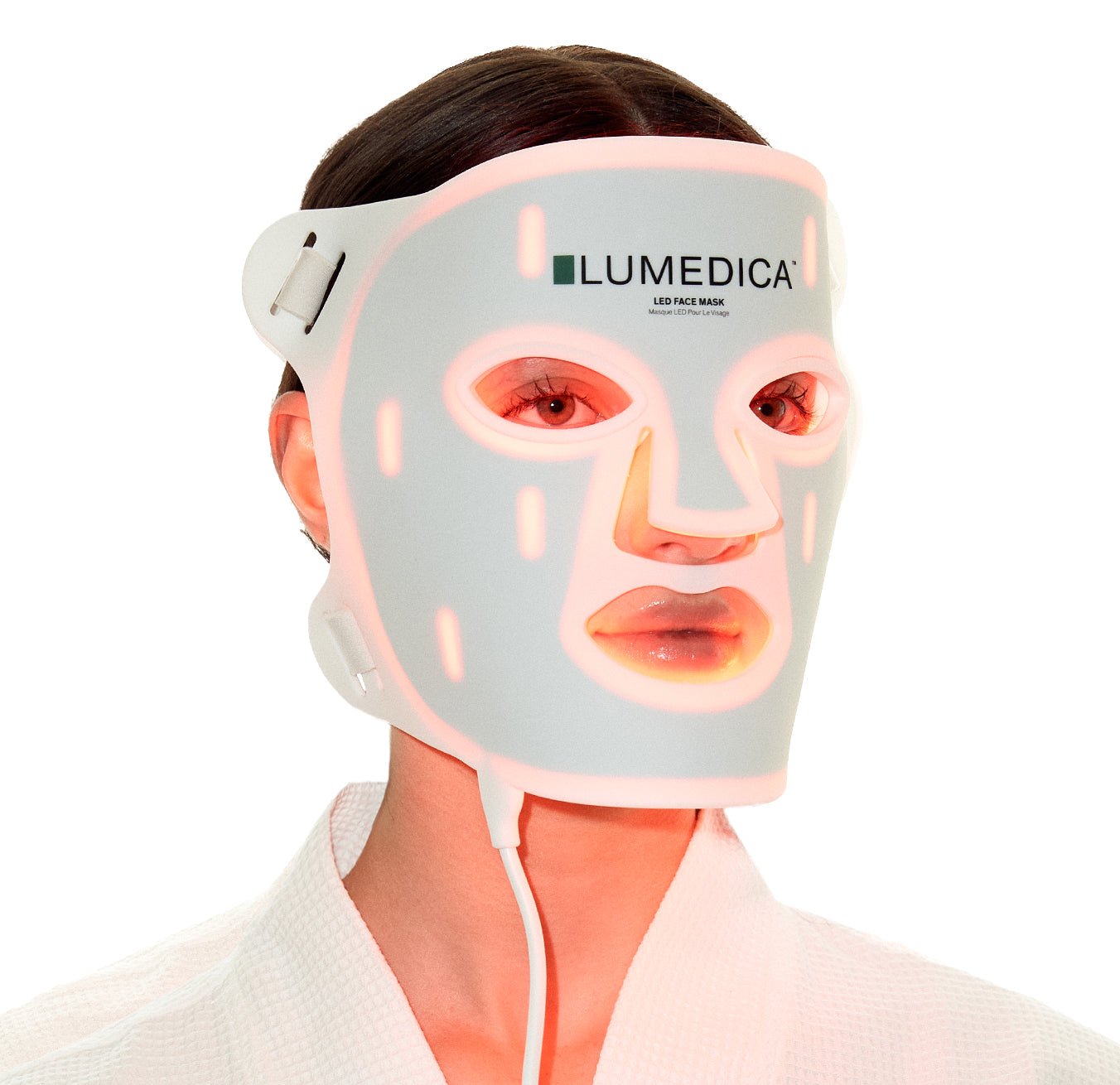
The Lumedica LED Mask — designed by LUMAXICA™ — uses precision wavelengths that have been studied in numerous peer-reviewed publications for their potential effects on cellular activity.
In particular, certain wavelengths are believed to interact with mitochondria — the “energy centres” of skin cells — in ways that may support natural skin functions such as collagen production, circulation, and repair.
As Dr. Roger Seheult explains:
“Red light activates mitochondria in fibroblasts to produce more energy… Just 15 minutes can switch on that system.”
Why Light Works at the Cellular Level
The Lumedica LED Mask — designed by LUMAXICA™ — uses precision wavelengths that have been studied in numerous peer-reviewed publications for their potential effects on cellular activity.
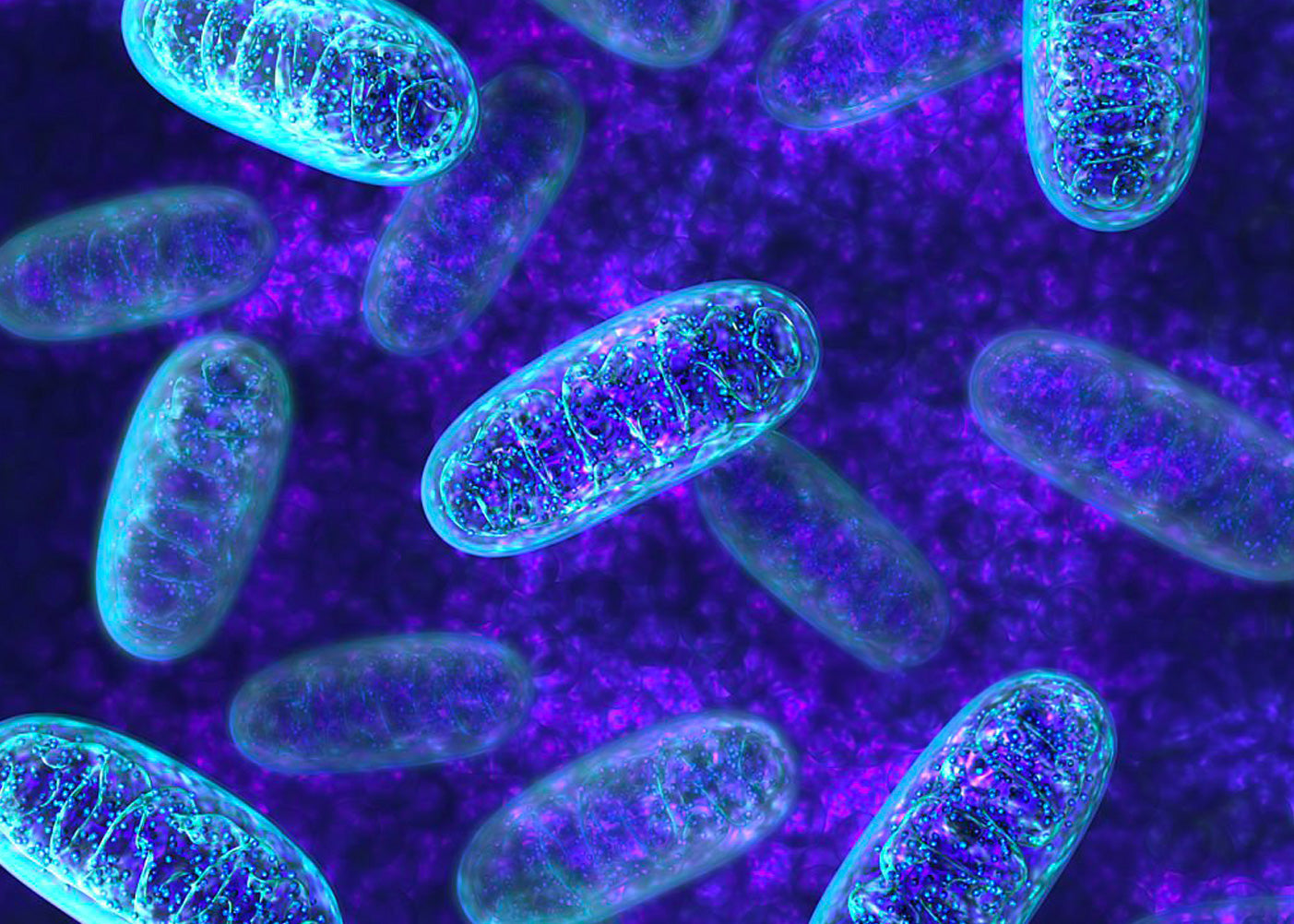
In particular, certain wavelengths are believed to interact with mitochondria — the “energy centres” of skin cells — in ways that may support natural skin functions such as collagen production, circulation, and repair.
As Dr. Roger Seheult explains:
“Red light activates mitochondria in fibroblasts to produce more energy… Just 15 minutes can switch on that system.”
The Gold-Standard Wavelengths
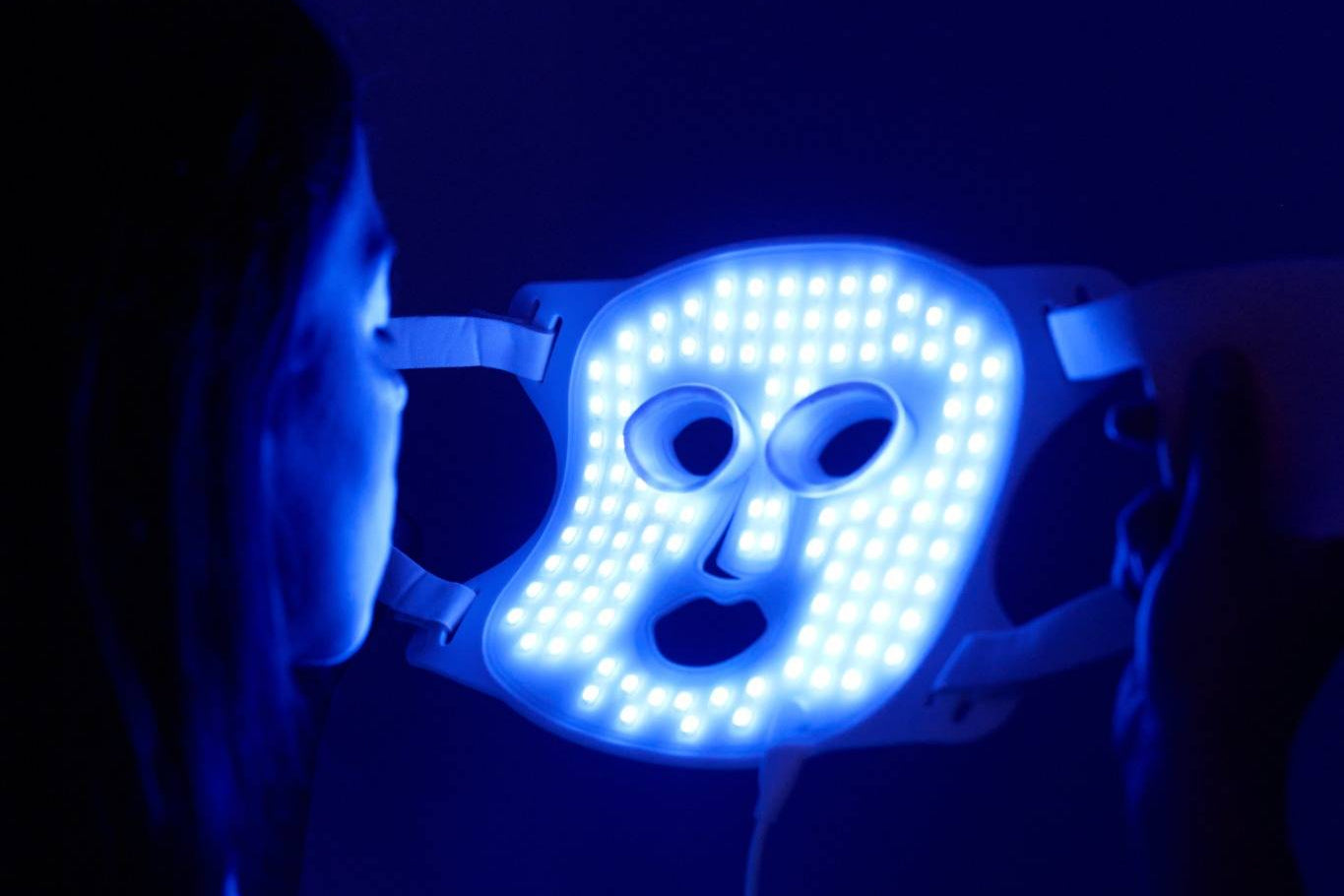
Our device uses three wavelengths that are among the most studied in dermatology and photomedicine: 415 nm (Blue), 630 nm (Red), and 830 nm (Near-Infrared).
These were selected for their established research base, safety profile, and consistency in supporting skin processes.
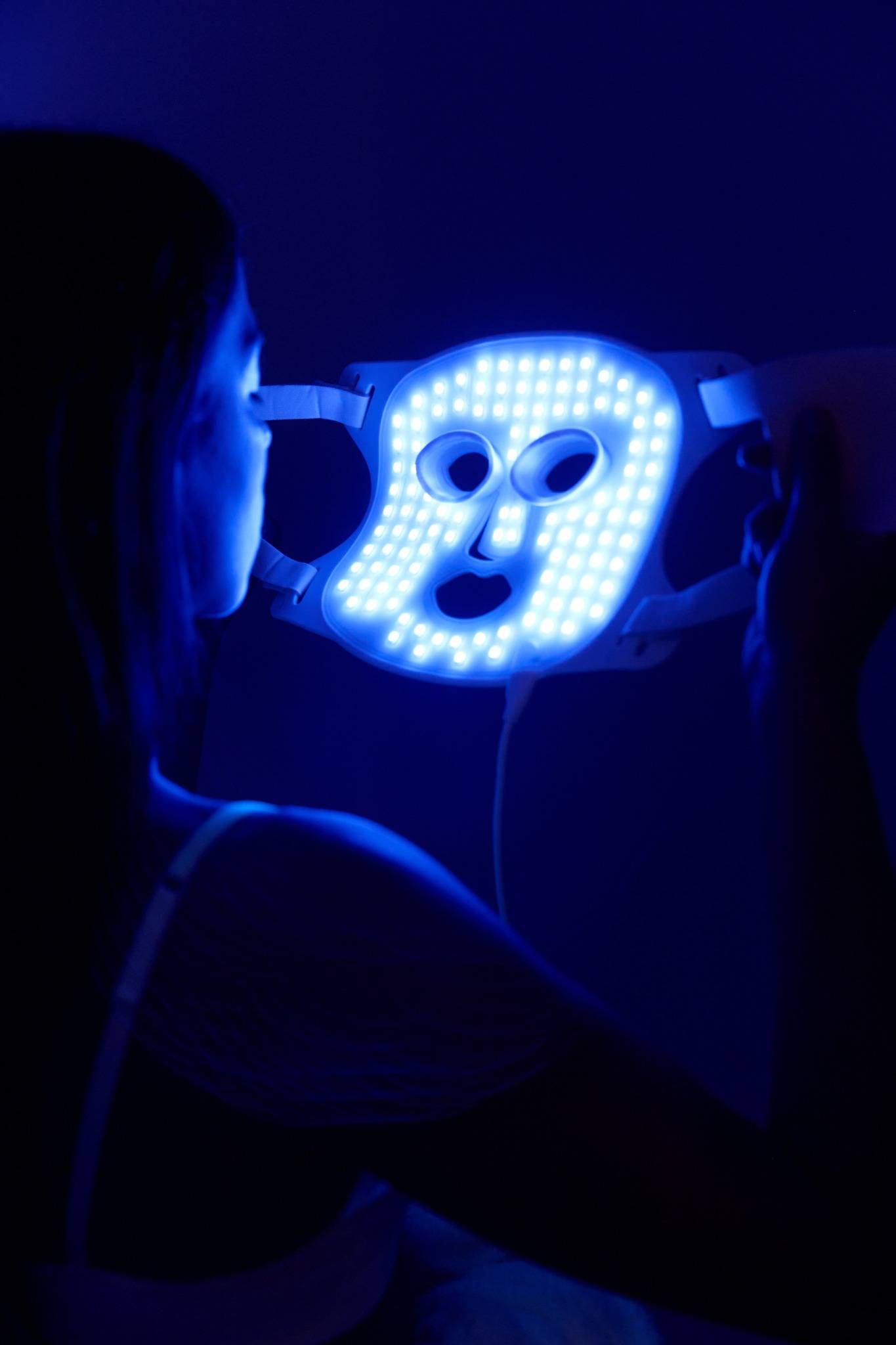
415 nm Blue
Frequently researched for skin flora balance and reducing redness
British Journal of Dermatology: Reported significant reductions in inflammatory lesions when using blue light.
JAMA Dermatology: Reviews highlight blue/red light combinations as a safe option for managing acne-prone skin.

630 nm Red
Studied for its interaction with fibroblasts, which may help support collagen and skin firmness.
Journal of the American Academy of Dermatology: Reported increases in collagen and elastin activity following red and infrared light exposure.
Lasers in Medical Science: Described red light as supporting wound repair and reducing visible inflammation markers.
University College London: Found improvements in mitochondrial efficiency with red light exposure.
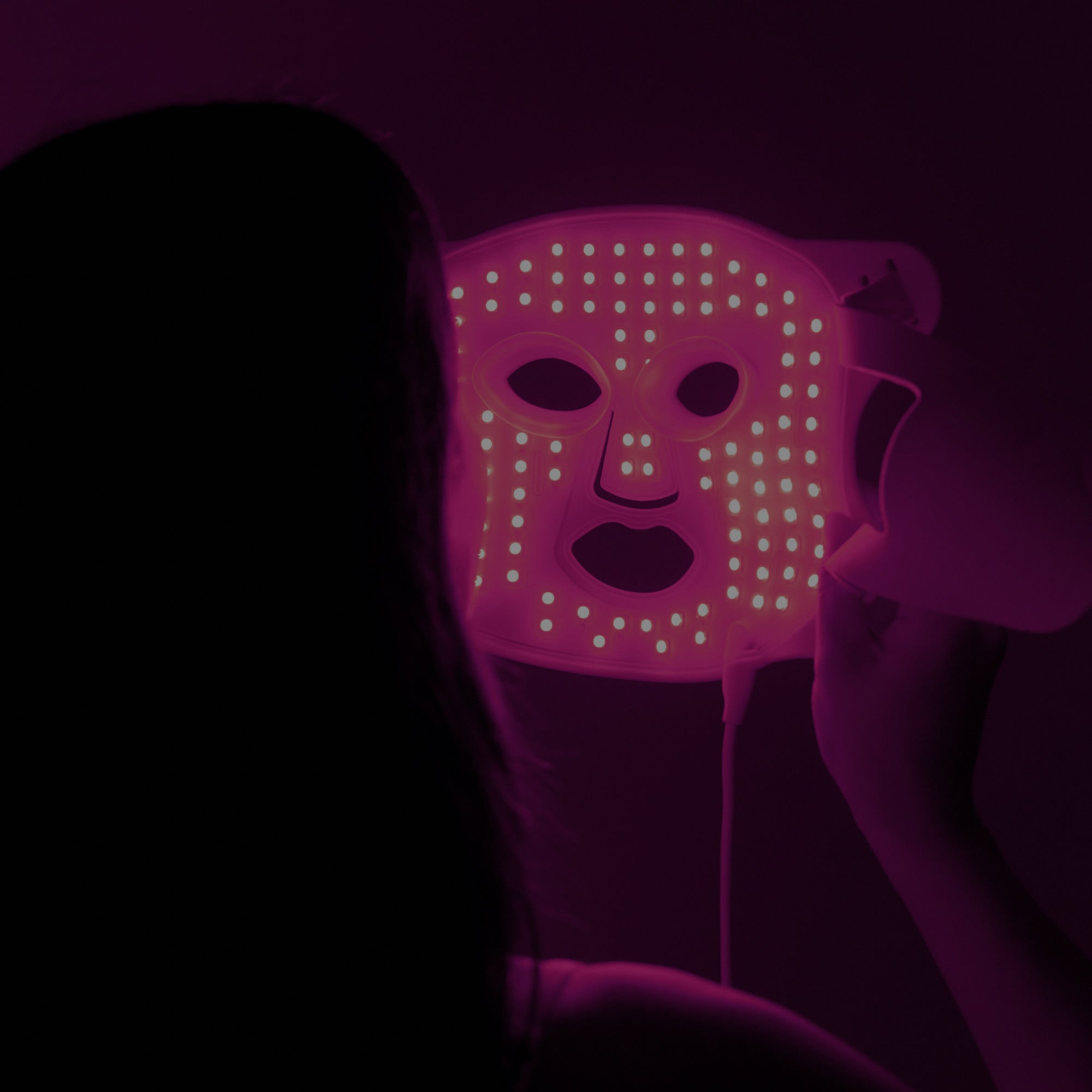
830 nm Near-Infrared Light
Known for deeper tissue penetration and support of cellular repair pathways.
Lasers in Medical Science: Described NIR light as enhancing repair pathways in skin cells.
Aesthetic Surgery Journal & Lifespan Research: Reported systemic benefits of photobiomodulation, including support for tissue resilience.
What the Research Suggests
Across multiple peer-reviewed publications, specific wavelengths of light have been explored for their potential to support the skin’s natural functions, including encouraging healthy collagen and elastin activity, supporting the skin’s natural repair responses, helping to calm the appearance of redness, and promoting cellular energy processes.
The Lumedica LED Mask — designed by LUMAXICA™ — focuses only on wavelengths with the strongest scientific evidence, making advanced light therapy safe, effective, and accessible for at-home use.

Journal of Cosmetic and Laser Therapy
Red + NIR light improved photo-aging scores and subjective wrinkle appearance in clinical trials.
Journal of Investigative Dermatology
Red light stimulates fibroblast-derived collagen production.
Lasers in Medical Science
NIR enhances oxygen delivery and mitochondrial repair pathways.
Your Questions Answered
Our in-house beauty technology team addresses some of the most commonly asked questions.
The device uses 415 nm Blue, 630 nm Red, and 830 nm Near-Infrared light, as well as a combined mode.
The mask is designed to be suitable for a wide range of skin types when used as directed. If you have specific skin concerns or existing conditions, it’s recommended to seek advice from a qualified professional.
Experiences vary from person to person. With consistent use, many users report noticing improvements in the appearance of skin tone, clarity, and overall radiance.
Timeframes differ for each individual. Users commonly report noticing visible changes after several weeks of regular use.
